Professional Tank and Drain Field Solutions
Choosing the right system type begins with a thorough site evaluation. Professional installers assess soil percolation rates, determine setback requirements from wells and property lines, evaluate groundwater depth, and consider the number of bedrooms to calculate daily wastewater volume. Hudson’s zoning regulations mandate specific distances between septic components and water sources, and county health departments require permits before any excavation begins. Working with licensed contractors familiar with local permitting processes streamlines approvals and ensures your installation meets all regulatory standards.
Conventional septic systems remain the most common choice for Hudson residential properties. These systems rely on gravity to move wastewater from the home into a buried tank where solids settle and partially decompose. Liquid effluent then flows into a drain field where soil bacteria complete the treatment process. The simplicity of gravity systems translates to lower installation costs and minimal maintenance requirements, making them ideal for properties with suitable soil conditions and adequate space for a standard drain field layout.
Aerobic treatment systems offer an alternative for properties where conventional systems prove impractical. These units introduce oxygen into the treatment process, accelerating bacterial breakdown of organic matter and producing cleaner effluent. Aerobic systems work well on smaller lots, properties with high water tables, or locations with restrictive soil types. The trade-off comes in the form of higher initial investment and ongoing electrical costs to power the aeration mechanism. For Hudson homeowners facing site limitations, however, aerobic treatment often represents the only viable path to code-compliant wastewater management.
Mound systems address situations where shallow bedrock or seasonally high groundwater prevents installation of traditional below-grade drain fields. These engineered systems build an absorption area above natural soil level using imported sand and gravel. A pump delivers effluent from the septic tank to the elevated mound where it percolates downward through the engineered media. While mound systems require additional materials and equipment, they expand installation possibilities for properties that would otherwise struggle to obtain septic permits.
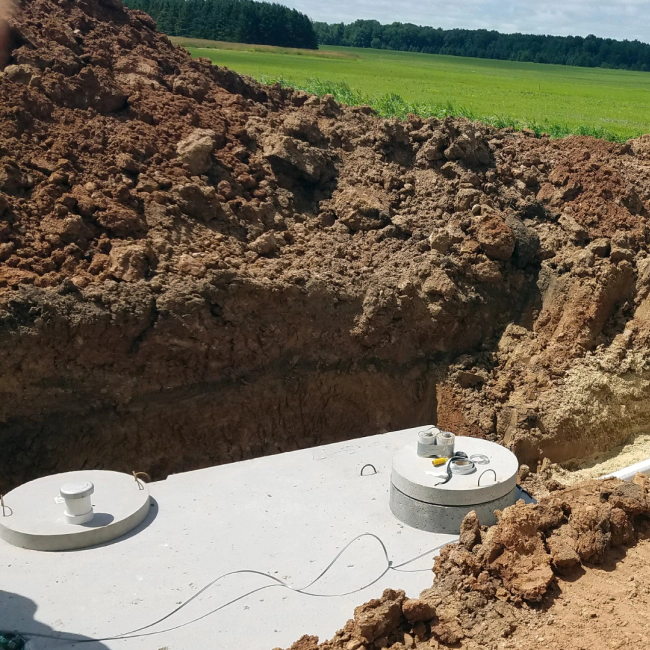
The installation timeline for a new septic system in Hudson generally spans two to four weeks from permit application to final inspection. Initial site evaluation and soil testing occur first, followed by permit submission to the county health department. Once approvals arrive, excavation and tank placement typically require two to three days depending on weather and site conditions. Drain field construction follows, with additional time needed for systems requiring imported fill material or complex distribution networks. Final inspections verify proper installation before the system receives approval for use.
Material selection significantly impacts system longevity and performance. Concrete tanks offer exceptional durability and resistance to buoyancy in high water table conditions, though they require heavy equipment for placement. Fiberglass and plastic alternatives provide lighter weight and resistance to corrosion, making them suitable for difficult access locations. Tank capacity must align with home size, with most residential installations requiring 1,000 to 1,500-gallon tanks. Undersizing a tank leads to frequent pumping needs and premature system failure, while proper sizing ensures adequate retention time for solid waste separation.
Drain field design deserves equal attention to tank selection. The absorption area must provide sufficient surface area for effluent dispersal based on soil percolation rates and daily wastewater volume. Hudson’s clay soils often require larger drain fields than sandier compositions to achieve the same treatment capacity. Distribution boxes ensure even flow to all drain field lines, preventing overloading of individual trenches. Quality installations include inspection ports that allow future monitoring of liquid levels and system performance without excavation.
Proper installation technique protects your investment for years to come. Excavation should preserve existing soil structure around the absorption area, as compaction from heavy equipment reduces percolation capacity. Drain field trenches require precise grading to maintain consistent slope throughout the distribution network. Aggregate material surrounding perforated pipes must meet specifications for size and cleanliness to prevent premature clogging. Geotextile fabric separates the aggregate from surrounding soil, preventing fine particles from migrating into the drainage stone and reducing system effectiveness.
Landscaping considerations often surprise new septic system owners. The area above the tank and drain field requires careful planning to protect buried components while maintaining an attractive yard. Deep-rooted trees and shrubs should remain at safe distances to prevent root intrusion into pipes and tanks. Grass represents the ideal ground cover, as its shallow root system stabilizes soil without threatening infrastructure. Avoid placing driveways, patios, or other impermeable surfaces over absorption areas, as these prevent oxygen exchange necessary for bacterial treatment processes and can cause soil compaction that impairs drainage.
Maintenance planning should begin before installation concludes. Understanding the location of your tank, distribution box, and drain field boundaries helps protect these components from accidental damage during future yard work or construction projects. Regular pumping every three to five years removes accumulated solids that would otherwise migrate into the drain field and cause failure. Keeping detailed records of installation specifications, inspection reports, and maintenance activities provides valuable information for troubleshooting issues and facilitates future service work.
Hudson homeowners benefit from establishing relationships with qualified service providers before problems arise. Routine inspections identify developing issues while they remain minor and inexpensive to address. Effluent filters require periodic cleaning to maintain proper flow rates. Aerobic system components need occasional adjustment to ensure optimal oxygen levels. Addressing these maintenance items on schedule prevents the costly emergency repairs that result from neglected systems.
The return on investment from quality septic installation extends beyond avoiding repair bills. Properly functioning systems protect groundwater quality, preserve property values, and provide reliable service regardless of municipal sewer availability. For Hudson properties where public sewer connections remain unavailable or prohibitively expensive, a well-designed septic system offers true independence and long-term value. When the time comes to sell, documentation of professional installation and consistent maintenance reassures potential buyers and supports asking prices.
Selecting qualified Hudson septic contractors involves verifying licenses, confirming insurance coverage, and checking references from recent projects. Experienced installers provide detailed written estimates that itemize costs for permits, materials, labor, and site restoration. They answer questions about system options, explain maintenance requirements, and stand behind their work with meaningful warranties. The lowest bid rarely represents the best value when installation quality directly impacts decades of system performance.
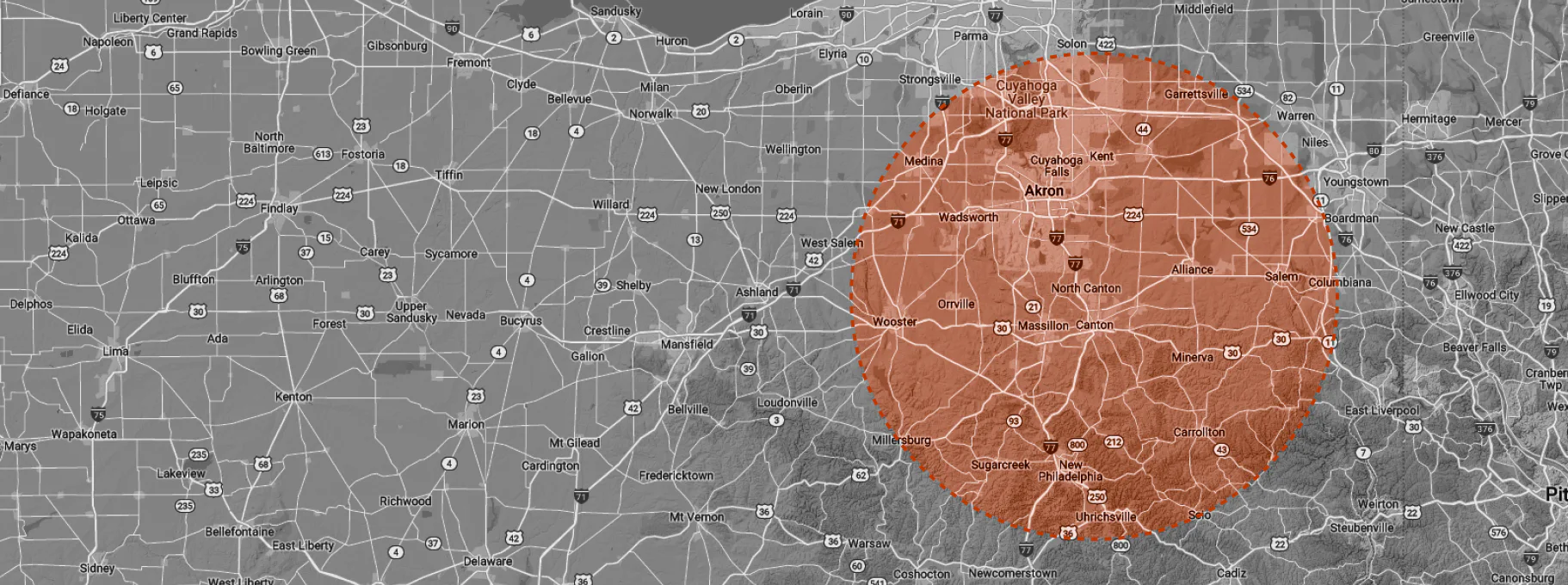
If you’re planning new construction, replacing a failing system, or simply exploring options for your Hudson property, professional guidance makes the process straightforward. A site evaluation provides specific recommendations tailored to your soil conditions, lot configuration, and household needs. Detailed cost estimates remove uncertainty from budget planning. Experienced installers handle permitting, coordinate inspections, and ensure your system meets all regulatory requirements while delivering reliable performance. For answers to your questions about septic installation in Hudson, visit our contact page or explore additional information about installation services and the communities we serve throughout the region.